 @TheReverendx92
Background
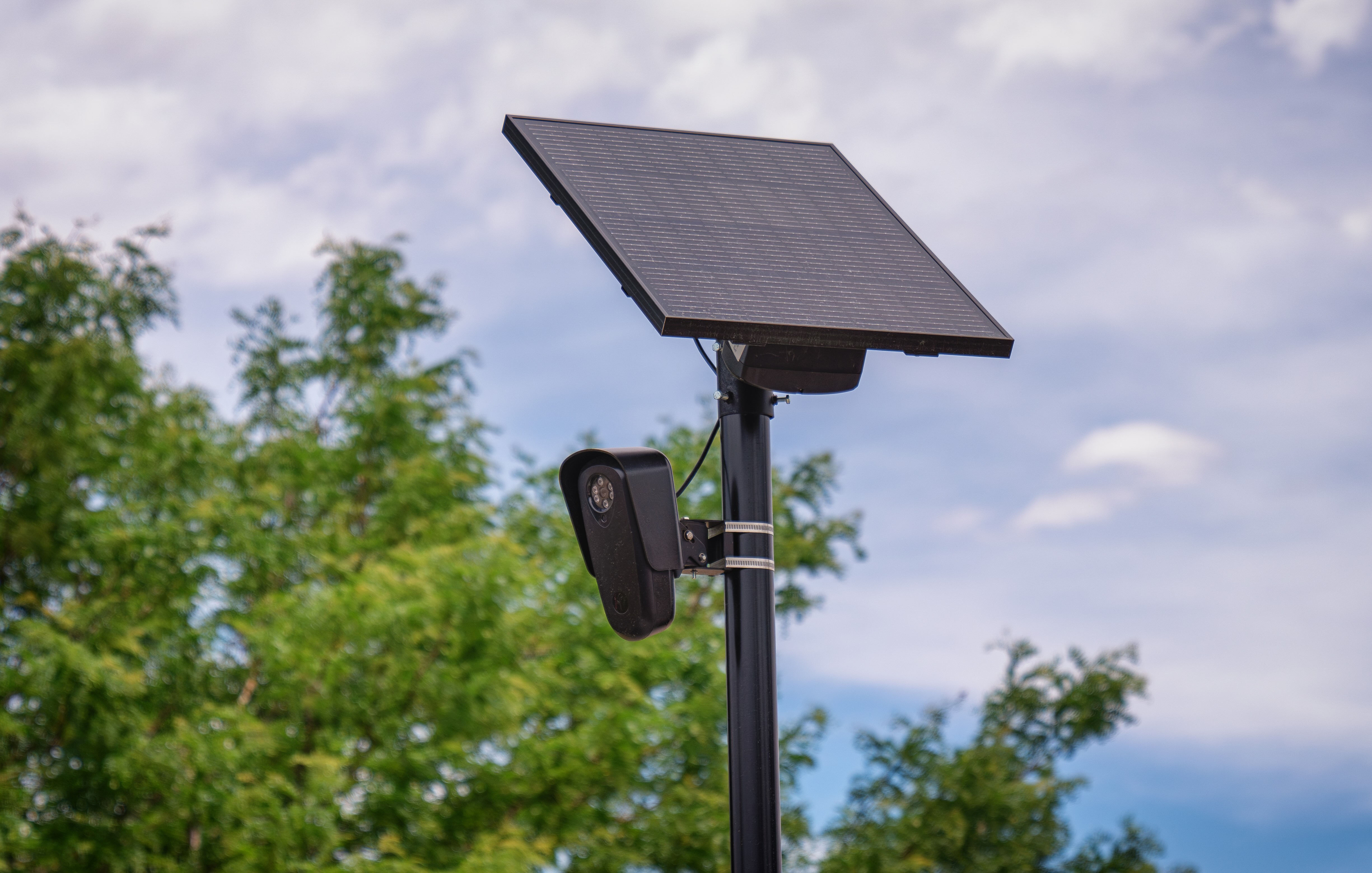
Automatic License Plate Readers (ALPRs) are cameras that photograph passing vehicles and log the time and location of each capture. Many of the most common systems record more than plates, also capturing a vehicle’s make, color, and distinguishing features like bumper stickers or body damage, so a car can be identified even without a readable plate. Police often store this data for weeks or months and sometimes share it across agencies.
Courts have generally held that a license plate on a public road carries no reasonable expectation of privacy. Critics argue that collecting and retaining reads at scale creates a detailed record of where people go, which is different in kind from a single observation, and that identifying vehicles by their features goes beyond what a plate alone reveals. The Supreme Court’s decision in Carpenter v. United States (2018), which required a warrant for long-term cell phone location records, is often cited in this argument. Supporters point to ALPRs’ value in solving crimes, recovering stolen vehicles, and finding missing persons.
This debate asks whether large-scale collection and retention of this data infringes on reasonable expectations of privacy. You can argue the question legally, ethically, or practically.
Ground rules
On topic:
Fourth Amendment and state law arguments
Data retention, sharing, and access rules
What ALPRs capture beyond plates, and whether that changes the privacy analysis
Public safety benefits versus privacy costs
Whether communities had meaningful input before deployment
Off topic:
General policing or political debates unrelated to ALPRs
Other surveillance technologies, unless compared directly to ALPRs
Personal attacks or speculation about other users’ motives
Tone:
Be civil and argue in good faith. Source factual claims where you can, and engage with the strongest version of the other side’s argument. Disagreement is welcome, and hostility is not.
Where do you stand? Pick a side and give your reasons.
You will be asked to log in first.